
Deep Dental Cleaning: Procedure, Benefits & Results
A healthy body supports a healthy mind, and if you want to feel good, enjoy a decent quality of life, and look well-groomed, having healthy teeth is an essential part of that. They make it easy to eat without discomfort and contribute to a healthy, appealing look. Even if every tooth is in place and there are no gaps, the aesthetics can still suffer in certain situations. Despite diligent home brushing, it is not sufficient to achieve complete plaque removal or full oral hygiene. So let’s talk about deep dental cleaning — specifically, what this procedure is and who actually needs it and when.
Key Takeaways
- Our article will explain what a professional deep cleaning is and how dentists actually perform it. We’ll explain how it differs from the standard technique and which areas of the mouth get the most careful attention.
- We’ll explain who needs this type of cleaning, how it helps with different conditions, and how often you should have it done.
- We’ll also expand your understanding of how beneficial this technique is, how long the procedure lasts, and how much discomfort it may cause.
Professional Deep Dental Cleaning: What Is It For
Our dentists at Beyond Exceptional Dentistry often take time to educate patients, explaining why certain preventive or therapeutic procedures are necessary. Especially when it comes to periodontal treatment, we place extra emphasis on the clinical hygiene provided by our dentists.
We’ve seen that gum and tooth issues can develop even when we stick to our usual hygiene routines, and they may lead to serious health concerns like cardiovascular disease, blood sugar disorders, and complications during pregnancy.
That’s why we usually suggest a deep dental cleaning whenever our clients notice things like:
- Gums that bleed during daily oral care
- Signs like puffiness, inflammation, or a change in gum color
- Early symptoms of periodontal pockets
- Plaque that hardens beneath the gum surface
- If your breath stays unpleasant throughout the day
- When your teeth feel like they shift just a bit
Deep Dental Cleaning Before and After: It Helps Your Appearance
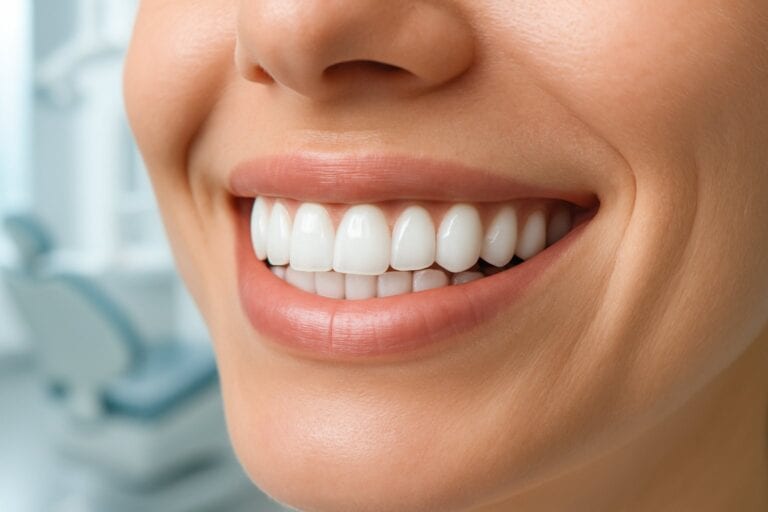
By the way, aside from health advantages, plaque removal and sanitizing also help improve your overall look. If you’re unsure, just match your smile with deep dental cleaning before and after. And honestly, every time we see the effect, the smile becomes brighter, more confident, and genuinely warmer. You won’t feel afraid to show the inside of your cavity anymore, because it will be free of flaws, and any bad odor you had will be gone.
In addition, gum health improvement will take away that uncomfortable feeling of pressure, soreness, or itching, and you’ll feel comfortable eating and drinking with other people.
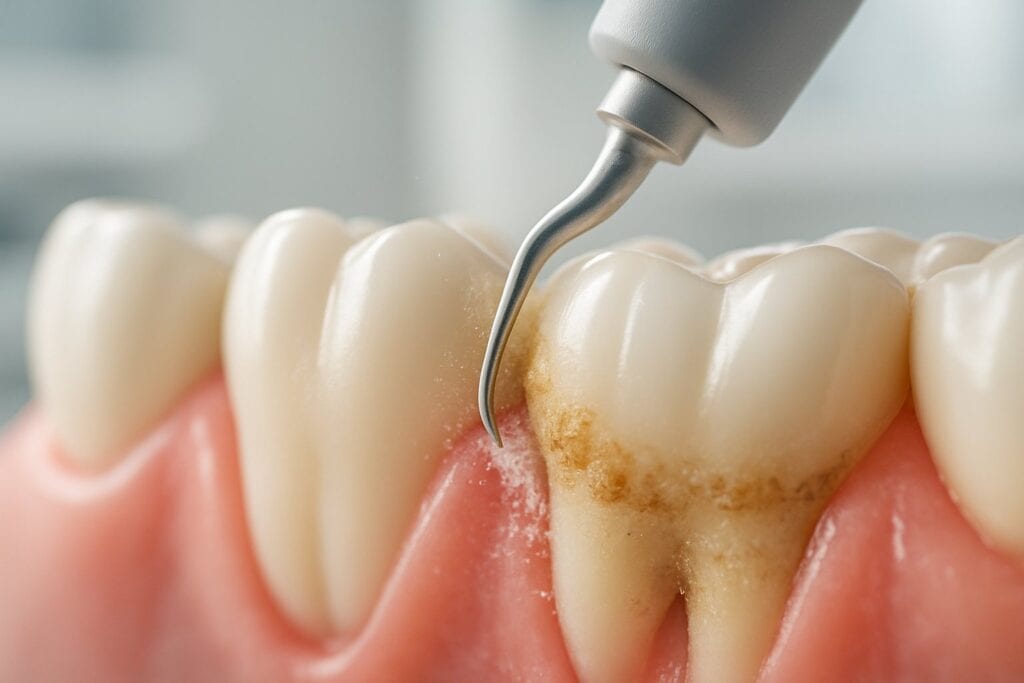
At our clinic, we usually do the rinsing in two steps: first, we perform scaling to eliminate hardened deposits from the mouth, and then we carry out root surface curettage. If needed, we also offer our patients our new Filling Upgrades — improved, metal-free fillings that are virtually unnoticeable because they are matched to the natural tooth color. It’s a small improvement that requires only minimal intervention.
Is a Dental Deep Cleaning Ever Really Necessary For Your Oral Health?
So, is a dental deep cleaning ever really necessary for your oral health? Let us tell you what dentists think. At Beyond Exceptional Dentistry, we believe that this is a very important therapeutic and preventive strategy, especially for periodontal illness. These straightforward prophylactic measures, combined with timely cleaning of inflamed areas, can actually stop tissue damage from progressing. The next outlines the patient groups for whom our clinicians suggest this approach, as well as the advised frequency:
- For individuals with good gums, we recommend an annual check-up.
- If someone has early gingivitis, we recommend having the procedure twice a year.
- For people dealing with mid types of periodontitis, our dentists usually set up purifying three or four times a year — adjusting the frequency based on how serious the gum pockets are and how much inflammation there is.
- If gum swelling and redness are extreme, you’ll require supportive care at least on a quarterly basis.
Dental Deep Cleaning vs. Regular Cleaning: Home Routine and Professional Care
Let’s also talk about dental deep cleaning vs. regular cleaning. The ordinary type extracts debris from the enamel that remains after routine dental cleaning. But the deeper method works much better for infections and gum tenderness. We can also assist you in improving your daily habits for keeping your mouth healthy. Here are the actions to mind:
- Clean up your oral cavity for a minimum of two minutes twice daily, reaching every area and the gumline. A timer or a toothbrush with an integrated timer (such as the Oral-B Vitality) can make this easier.
- Use dental floss day-to-day to remove plaque between the teeth where the brush can’t arrive. Popular options we recommend include Cocofloss, Oral-B Glide, and Listerine Ultraclean Floss.
- Try using tiny brushes to clean between your teeth, as they’re great if you have wider gaps between your teeth. We usually suggest GUM Proxabrush or TePe Interdental Brushes.
- Choose a good fluoride toothpaste, as it strengthens the enamel and decreases the risk of cavities. We usually stick to brands that have actually proven their effectiveness. For us, that’s Crest 3D White, Colgate Total, and Sensodyne Pronamel. And for sensitive gums, suitable options include Sensodyne, Parodontax, and Tom’s of Maine for Sensitive Teeth.
- Use an antiseptic mouthwash more often — it will help reduce the number of bacteria. Effective brands you may appreciate include TheraBreath Fresh Breath Oral Rinse, Listerine Total Care, and Crest Pro-Health Mouthwash.
- Don’t ignore cleaning your tongue as well, using a scraper or a brush to clear bacteria and harmful scent. Good options include Dr. Tung’s Tongue Cleaner and the Orabrush Tongue Scraper.
These products are available online through retailers such as Amazon, Walmart, Target, CVS, and Walgreens, as well as directly from the brands’ official websites.
Does a Deep Dental Cleaning Hurt, and Is Anesthesia A Must?
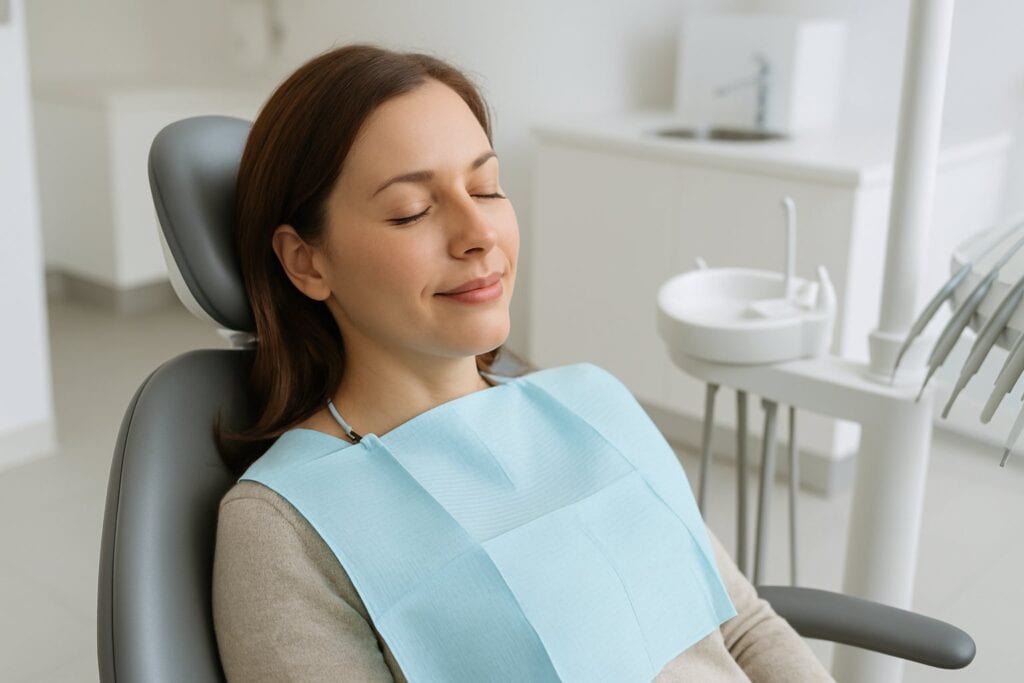
Does a deep dental cleaning hurt or not? Naturally, if every corner of your oral cavity is examined thoroughly, some cleaning pain is unavoidable. But there’s no need to worry — any reputable dentist will offer numbing, as it’s a standard part of routine dental services. Some residual ache may occur after the process, but it is typically short-lived. For example, if you’re not only afraid of pain but also feel anxious in the chair, you can ask to supplement the dental anesthesia for cleaning with a mild dose of sedation to help you relax.
How Long Does a Dental Deep Cleaning Take?
How long does a dental deep cleaning take in our clinic? Thanks to our modern Dental Technology Savannah, we perform the procedure in about 45 minutes to 1.5 hours per session. Plus, when considering the dental appointment duration, you should also include the preparation steps, such as anesthesia. You can also speak with our dentist regarding the dental appointment length and separate the strategy into more than two visits if necessary.
Standard protocols involve one to two visits, though advanced or complicated cases may require additional sessions. The pauses between the visits are often just a few days or about a week — it really depends on how our tissues react after the first session.
FAQ
It’s a skilled reduction of substances stuck to the visible and hidden parts of your cavity, typically recommended when you have significant inflammation or disorders affecting the mouth lining.
During a deep sanitizing, the dentist cleans beneath the gums using scaling and root smoothing to eliminate debris and germs, rather than just purifying the surface.
Each session generally lasts about an hour, with an additional thirty minutes possible for preparatory or supplementary procedures, and the treatment typically requires a minimum of two visits.
Patients may experience sensitivity, especially in areas of gingival inflammation; however, local anesthesia is administered to ensure comfort.
Conclusion
Without a doubt, deep dental cleaning is a must-have for anyone with bacterial issues in the mouth, periodontitis, or even the slightest early signs of it. We guarantee that it’s effective and reliable. And honestly, this is the one method we’ve seen that can really stop the soft tissues from breaking down completely and keep you from eventually losing teeth.
We invite you to see for yourself the difference in deep dental cleaning before and after. Take advantage of our doctors’ professionalism and the possibilities of Cosmetic renewal to feel better, look better, and stop being limited in simple everyday moments.