
The Benefits of Preventive Dental Care for Savannah Families
What affects the condition of our teeth from the moment they first appear? We all start with a genetic blueprint: it determines physical traits, appearance, and even our predisposition to certain diseases. Nonetheless, it is not considered the predominant factor. Poor and harmful diet, lifestyle choices, medications, and bad habits — these are the things that truly damage our teeth and lead to their destruction.
Despite poor genetics and harmful external factors, you can still do a lot to keep them in good shape. It’s consistent monitoring, proper hygiene, and the right preventative dental care that help maintain a healthy and aesthetic look.
That’s why our specialists at Beyond Exceptional Dentistry are sharing essential information in this article, the kind everyone should know to maintain a wholesome smile.
Key Takeaways
- We’ll explain — and even back it up — why it’s important to care for your teeth at every age, starting from childhood, and why it’s never too late to begin if you’ve missed that opportunity earlier.
- We’ll give examples of how oral maintenance changes with age, for instance, in older adulthood or after undergoing major procedures.
- You’ll get advice on what you can do at home and what care your dentist can provide.
- Our curated selection of clinically beneficial products to optimize your daily hygiene and treatment outcomes.
General Principles of Preventative Dental Care
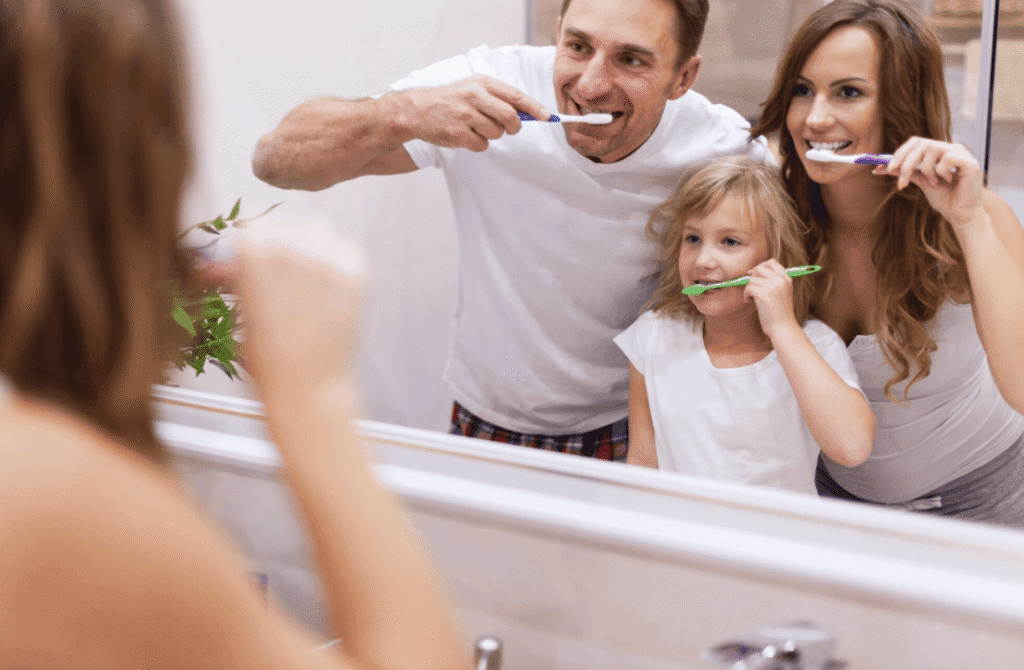
In society, healthy teeth are associated with youth, energy, well-being, and self-care. That’s why preventative dental care is a habit we should instill in our children from birth and maintain throughout life, because good oral condition is essential to the overall well-being of our entire body. In addition, our society also values aesthetic standards, so a person with bad teeth — even if well-dressed and groomed — can still leave a poor impression. Our face communicates more than we realize. When someone hides their smile or reveals visible issues, it can trigger an instinctive sense of discomfort or distance in others.
All dentists agree that from the moment the first tooth occurs, people should start controlling their oral cavity condition, and the earlier the maintenance begins, the fewer problems they’ll face in adulthood.
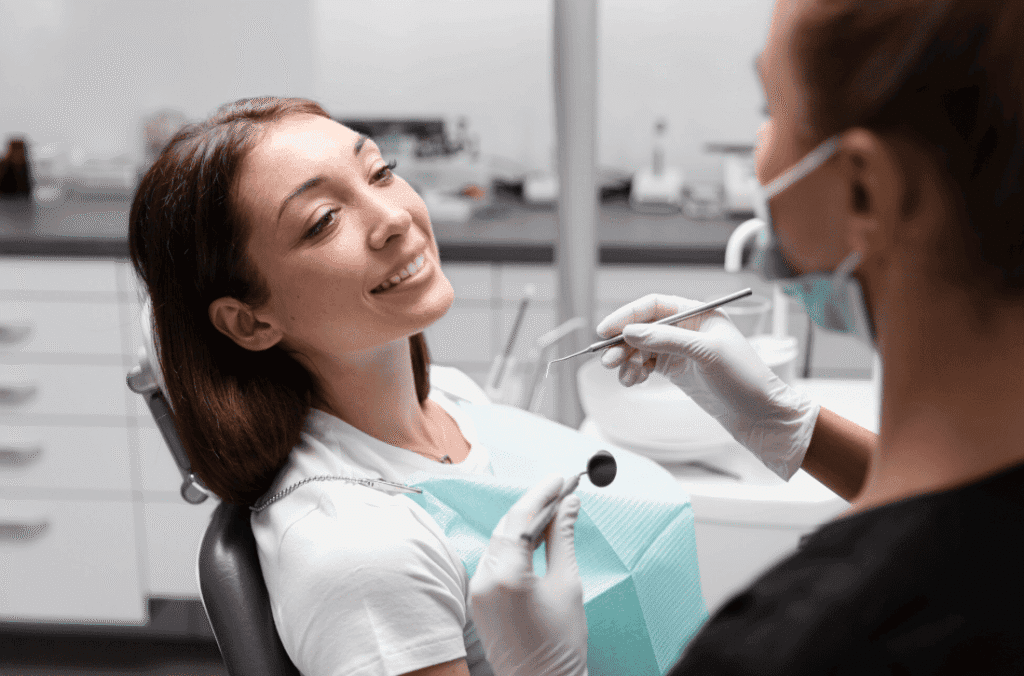
In addition, good hygiene and oral disease prevention are also cost-effective, reducing the need for expensive dental interventions. And now, let’s take a closer look at the key factors in building these habits.
Dental Preventive Care Services Available at the Clinic
We take care of ourselves: we buy quality creams for our skin, visit cosmetologists, use good hair products, and go to salons, we go to the gym and get massages to keep our bodies in top shape.
The mouth also needs professional attention and care procedures, which is why our dentists recommend making routine checkups at the clinic a regular habit. Annual consultations for assessment are clinically proven to stay ahead of most dental problems and control the development of complex mouth conditions.
Dental preventive care services at the clinic may include:
- A planned examination to detect hidden or early-stage cavities, assess enamel wear, evaluate gum condition, and inspect fillings or other restorations for potential defects.
- Professional cleanings and AirFlow treatments to clear deposits and calculus accumulation.
- X-ray monitoring of the bone tissue (if there were previous concerns).
- Remineralization with fluoride to support sensitive or weakened enamel.
What Is Preventive Dental Care at Home?
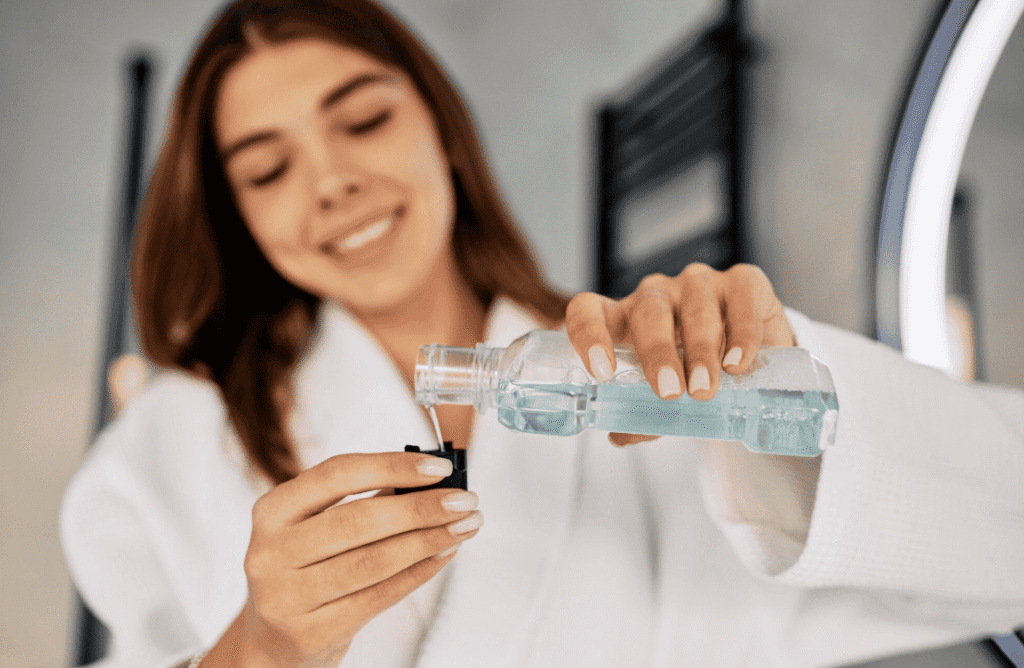
Even though dental clinics offer effective procedures for early detection, the best results still come from the daily care you practice at home every morning and evening. What is preventive dental care at home?
- Brushing your teeth twice a day. Optimal results depend on using a toothbrush suited to individual needs, considering bristle texture, firmness, and technical specifications for electric variants. Top manual toothbrushes include Curaprox, TePe, Oral-B, Jordan, and Splat. As for electric models, good options are Oral-B, Philips Sonicare, Oclean, and Xiaomi. And don’t forget to replace it regularly if the bristles become frayed.
- Daily interdental cleaning with floss and interdental brushes in areas your toothbrush can’t reach. This helps remove food particles left between teeth. We recommend products from TePe, Curaprox, and Lacalut.
- Using the right toothpaste for oral health maintenance is necessary, and try to choose one that fits your specific needs — like sensitivity, plaque control, or protection. A quality toothpaste boosts the effectiveness of your toothbrush. Recommended brands include Sensodyne, Lacalut, Aquafresh, Elmex, and Curaprox.
- Mouth rinsing helps kill bacteria and serves as an extra step to keep the mucosa clean. You can use specialized solutions like Parodontax, Lacalut Aktiv, or Meridol.
Preventive Dental Care Routines in Older Age: Why They Matter
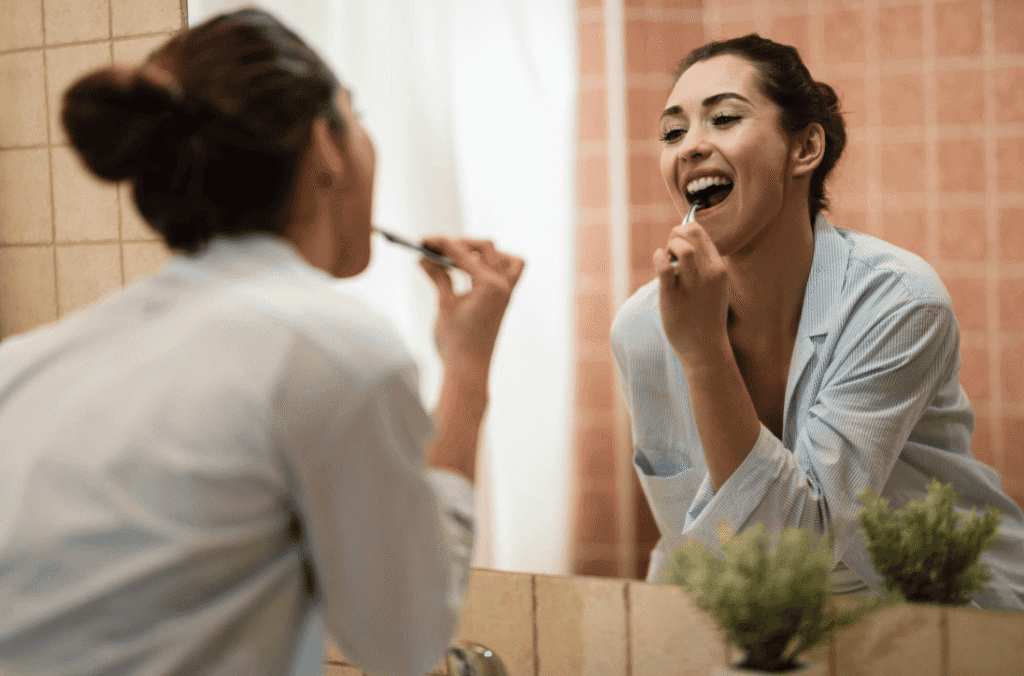
Do preventive dental care routines in older age differ from those in younger years?
Of course it does: in older age, the immune system is weaker, medications have an impact, saliva production decreases, and the chance of developing various pathogens and related diseases is significantly higher. The risk of recurring issues is also high if you’ve already had dental problems in the past.
Overall, the basics remain the same: daily brushing, rinsing, and using quality products. Flossing habits are important for those who have dentures, implants, veneers, and similar work. This is the most reliable way to control cavities and inflammation around fixed restorations. At the same time, removable dental appliances should be cleaned carefully two times a day, and preferably after each meal, to maintain proper hygiene.
Dental visits may also need to be more frequent, as oral diseases tend to develop faster and progress more aggressively.
Additional Preventive Dental Care Tips
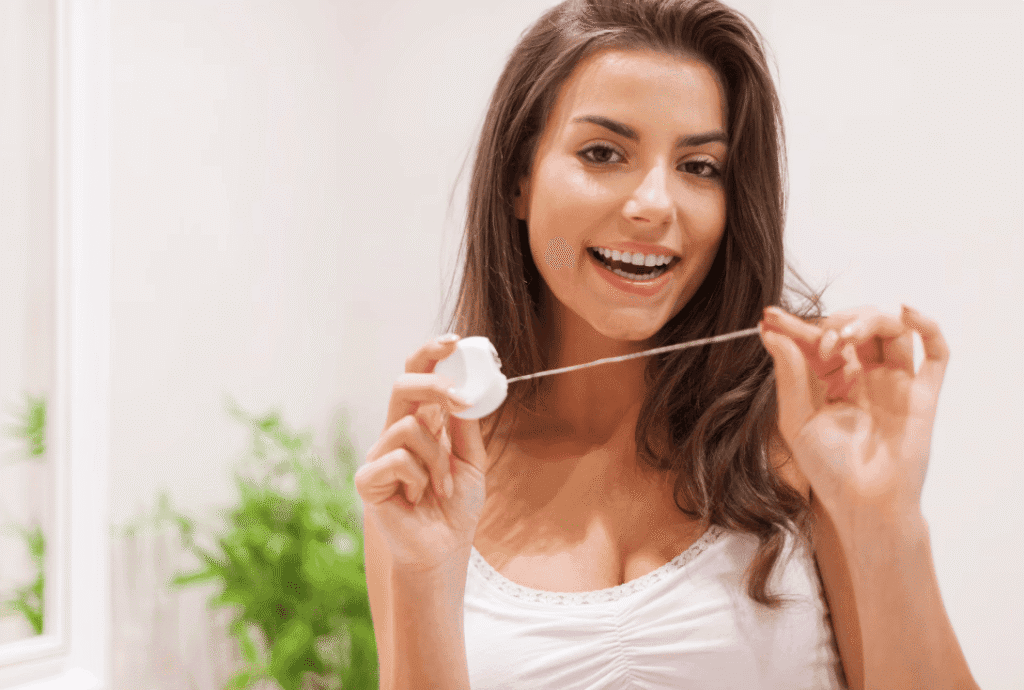
We’d also like to highlight a few simple and affordable preventive dental care tips. In addition to regular dental consultation and daily hygiene, you can develop healthy habits that benefit your mouth:
- Make your diet more nutritious and avoid sugary foods.
- Avoid unnecessary mechanical stress, like cracking nuts, chewing hard candies, opening packages, biting your nails, or constantly chewing gum, to prevent damage to your enamel and prevent bacteria from entering the mouth.
- Consider fluoride use, several times a year, especially if you tend to get cavities easily or your teeth react to hot and cold, you have exposed tooth necks, braces, veneers, or crowns.
- Don’t overdo it with extremely hot, cold, acidic, or spicy foods and drinks.
- Quit harmful habits, especially smoking, and bypass snus or similar products.
Conclusion
Today, having a fit, strong body and a wide smile is trendy — these are the new elements of modern self-care and lifestyle. And without preventive dental care, it’s impossible to keep a beautiful smile long-term. Incorporating these protocols into daily habits is necessary for the best health outcomes.
At Beyond Exceptional Dentistry, we offer pro-level dental preventive care services to help improve and monitor your routine. Book a meeting with us for monitoring, prevention, simple or complex treatment, modern cosmetic dentistry procedures, or the placement of top-quality restorative work. You can count on us for high-quality care, a comfortable experience, and dependable outcomes that support both your health and appearance.
FAQ
Stick to the basics: daily hygiene, quality oral hygiene products, and don’t forget checkups.
In addition to checkups, we recommend polishing sessions and fluoride treatments.
As people get older, their teeth require more thoughtful care: gentler products, regular checkups, a cleaner diet, and quitting harmful habits.
It should start at an early age. From that point on, regular hygiene practices should gradually expand as dental development progresses.